Magnetic Catches and Accessories
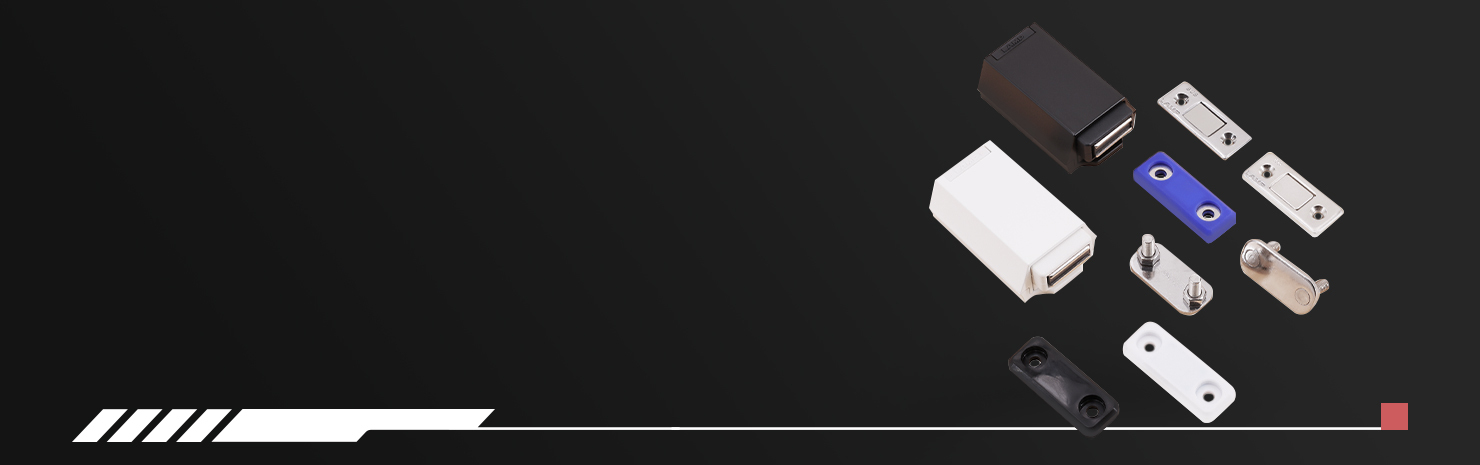
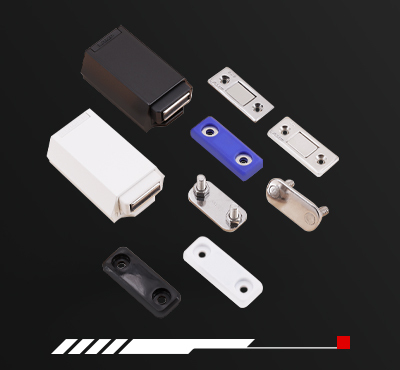
Precision-engineered magnetic catches designed for consistent holding force, minimal wear, and simplified installation across architectural and industrial applications.
The beauty of magnetic catches lies in their simplicity. However, what sets Sugatsune’s catches apart from many on the market is our line-up that balances size, strength and materials making it more convenient to specify and install.
Materials such as neodymium and high quality sealed magnet casings ensure that they can be used in demanding environments without having to worry about how they will perform over time.
- Magnetic strength comparison (relative terms)
- Corrosion resistance (especially for stainless housings)
- When to use sealed vs non-sealed designs
Consult with a Sugatsune specialist to specify the right catches and magnetic latches for your application requirements.
Key Performance Considerations for Magnetic Catches
- Holding force ranges (light, medium, heavy-duty applications)
- Material selection (neodymium vs ferrite vs samarium-cobalt)
- Environmental resistance (corrosion, moisture, washdown, hermetically sealed)
- Temperature tolerance ranges
- Mounting type (surface mount, concealed, snap-in)
- Cycle life expectations (vs mechanical latches)
|
Type |
Best For |
Key Benefit |
Consideration |
|
Ferrite Magnetic Catches |
Light-duty cabinetry |
Cost-effective |
Lower holding force |
|
Neodymium Magnetic Latches |
Industrial / heavy doors |
High strength in compact size |
Higher cost |
|
Samarium-Cobalt |
High-temperature environments |
Thermal stability |
Specialized use |
|
Push-to-Open Cabinet Latch |
Handle-less cabinetry |
Clean aesthetic + functionality |
Requires precise installation |
Installation and Mounting Considerations
- Surface mount vs concealed installation
- Alignment tolerance advantages vs mechanical latches
- Compatibility with strike plates and magnetic material rolls
Many Varieties Available to Accommodate Your Specific Needs
- Light-duty vs heavy-duty magnetic catches
- Ultra-thin designs for space-constrained applications
- Hermetically sealed options for washdown environments
- High-temperature samarium-cobalt variants
- Push-to-open cabinet latch systems
Sugatsune also has a great selection of push to open cabinet latches, which are widely used for:
- Handle-less design trends
- Integration with soft-close systems
- Required door weight + spring force considerations
Rest assured, if you need a magnetic catch for your upcoming projects, contact us so we can help you find exactly what you’re looking for. Remember, cabinet magnetic latches should deliver consistent, reliable door retention you can count on.
Common Applications for Magnetic Catches
- Cabinetry (residential + commercial millwork)
- Medical casework and clean environments
- Food service equipment (tie to NSF-certified options)
- Marine or high-moisture environments
- Industrial enclosures and access panels
- Furniture and architectural millwork
FAQs
Does Sugatsune offer industrial- and commercial-grade magnetic catches?
Yes! Sugatsune offers a wide range of industrial- and commercial-grade magnetic catches designed to meet the requirements of various applications, including food service equipment, medical casework, and industrial enclosures.
Select catches are NSF-certified for food-related environments, while others are ROHS-compliant and engineered for durability in demanding conditions. It is important to note that certifications such as NSF apply to specific products, not the entire product line.
Available options include stainless steel housings, hermetically sealed designs for washdown environments, ultra-thin magnetic catches for space-constrained installations, and snap-in types for sheet metal applications.
What are some advantages of magnetic catches for cabinets?
Unlike traditional cabinet latches, magnetic catches are often simpler to install and more reliable, making them a great choice for industrial equipment applications as well as in the home. Magnetic latches have few to no moving parts like mechanical catches, meaning a longer-life, especially those manufactured in stainless steel. Installation is also easier because most mechanical catches require precise alignment during installation. Finally, our line-up of magnetic push-to-open cabinet latches feature the best of both worlds with the magnet holding the door and the mechanical spring function pushing open the door without a handle, perfect for a clean, minimalistic look.
Does Sugatsune sell magnetic strike plates separately?
Yes! We offer magnetic catch latch counterplates and strike plates, available separately if you need to purchase them. We also offer full systems that include everything you need for a functional magnetic catch system. Our offerings also include rolls of magnetic material for when you need a more custom job. No matter what you need for your next project, Sugatsune America will likely have it ready and in stock.
What holding force should I choose for a magnetic catch?
The appropriate holding force depends on several application-specific factors, including door size and weight, mounting orientation, frequency of use, and environmental conditions.
For lightweight cabinet doors or low-use applications, lower holding force magnetic catches are typically sufficient. Heavier doors, high-traffic environments, or applications subject to vibration may require higher holding force options to ensure consistent door retention.
It is also important to consider:
Door alignment and gap tolerance, which can affect magnetic contact strength
Mounting position (vertical vs horizontal), as gravity and load direction influence performance
Use with push-to-open cabinet latch systems, which require balanced force between retention and ease of opening
When in doubt, selecting a slightly higher holding force can help maintain long-term reliability, especially in industrial or commercial settings.
For application-specific guidance, consult with Sugatsune to determine the optimal magnetic catch latch for your requirements.
Are magnetic catches suitable for handle-less cabinet designs?
Yes. Magnetic catches are commonly used in handle-less cabinetry when paired with a push-to-open cabinet latch system. The magnet provides door retention, while the spring mechanism enables touch-to-open functionality for a clean, hardware-free appearance.
For best performance, the holding force, door weight, and alignment with the magnetic strike plate should be properly matched.
When should I use a magnetic catch instead of a mechanical latch?
Magnetic catches are ideal when quiet operation, low maintenance, and easier installation are priorities. With few moving parts, they offer longer service life and more forgiving alignment than mechanical latches.
Mechanical latches are better suited for applications requiring positive locking or higher load retention, while magnetic catches work best for cabinet doors, panels, and enclosures.