Downward-Opening Lid Supports and Systems
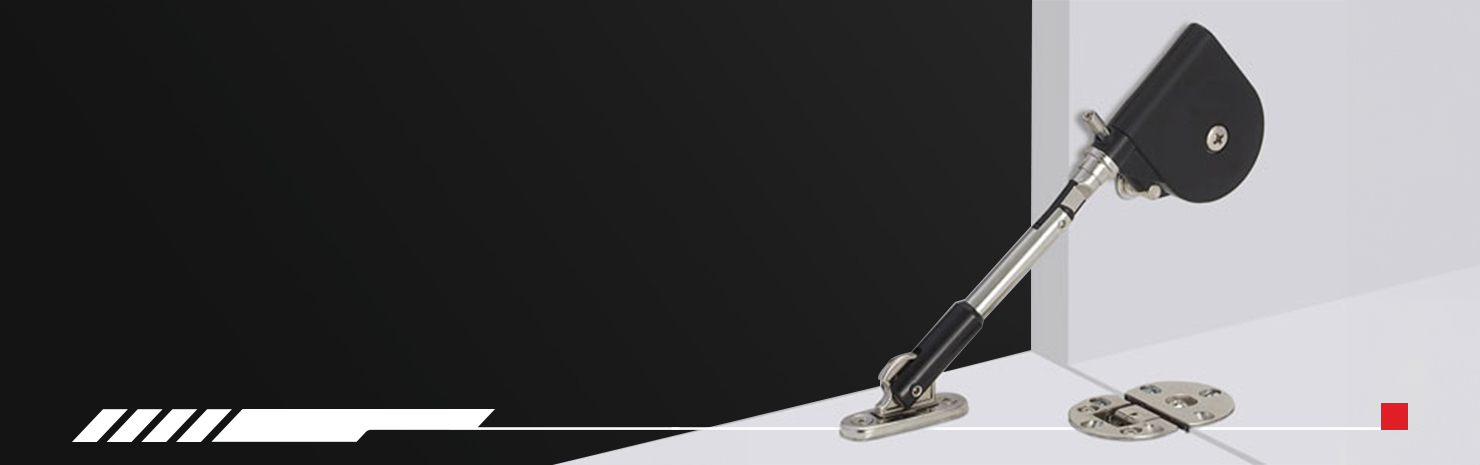
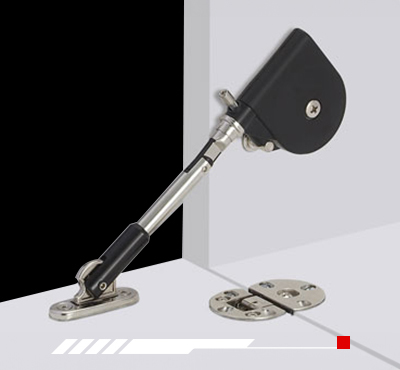
Sugatsune offers a range of precision-engineered downward-opening lid supports designed to provide controlled motion, reliable positioning, and long-term durability across both architectural and industrial applications.
These downward-opening lid stays are used in cabinetry, casework, and equipment enclosures, often specified alongside complementary hardware such as a lift up hinge for upward-opening applications. Built from high-quality materials and engineered for repeatable performance, Sugatsune’s solutions support a wide range of door sizes, weights, and installation configurations.
For assistance selecting the appropriate downward-opening lid support hardware, consult with Sugatsune to match performance requirements with your application.
Engineered for Controlled Motion and Long-Term Performance
Sugatsune’s downward-opening lid supports are designed to deliver predictable motion control and extended service life, even in high-use environments.
Many models incorporate soft-close lid stay mechanisms that regulate closing speed, reducing impact forces and minimizing wear on cabinetry and hardware. Each system is engineered to support specific torque ranges, ensuring proper function based on door weight and geometry.
To determine the appropriate lid stay, calculate the required torque:
T = (W X H)/2 or T = ½ x W x H
Where:
- T = Torque Moment
- W = Door weight (including handle)
- H = Door height measured from the hinge side
Selecting a lid support within the correct torque range ensures smooth operation, proper damping, and long-term reliability. Always compare calculated torque requirements with product specifications when selecting heavy-duty lid stays or soft-down flap stay hardware.
Key Performance Considerations for Downward-Opening Lid Supports
When specifying downward-opening lid stays, consider the following:
- Torque requirements based on door weight and size
- Damping performance, including soft-close functionality and closing speed control
- Opening angle and range of motion for accessibility and clearance
- Mounting configuration, including side panel or cabinet interior installation
- Adjustment capability for fine-tuning motion and user experience
- Cycle durability for high-frequency applications
These factors ensure the selected downward-opening lid support performs consistently within the intended environment.
The following comparison outlines common downward-opening lid stay configurations and their typical applications:
|
Type |
Best For |
Key Benefit |
Consideration |
|
Soft-Close Lid Stays |
Residential cabinetry, millwork |
Controlled, quiet closing, and safety |
Must specify within the dampener’s match torque range |
|
Heavy-Duty Lid Stays |
Large or heavy panels |
Higher load capacity and durability |
Specify within the right torque range based on size and weight of the door, lid or panel. |
|
Adjustable Lid Supports |
Variable applications |
Fine-tuned opening/closing speed and precise alignment |
Requires proper installation setup |
|
Compact Lid Stays |
Space-constrained cabinets |
Minimal footprint |
Limited load capacity and often flap dimensions |
|
Fall Front Cabinet Stay Systems |
Workstations, drop-front panels |
Controlled downward access |
Requires precise alignment |
Installation and Application Flexibility
Downward-opening lid supports are used in a variety of applications where controlled access and space efficiency are priorities.
Common applications include:
- Fall front cabinet stay systems in residential and commercial cabinetry
- Overhead cabinet door stays adapted for downward-opening configurations
- RV upper cabinet lid stay solutions where space constraints require compact motion control
- Industrial enclosures and access panels requiring consistent, repeatable operation
- Furniture and architectural millwork where soft-down functionality enhances usability
Proper installation and alignment are critical to ensure consistent engagement, smooth motion, and long-term performance.
Available Configurations to Meet Application Requirements
Sugatsune offers a variety of downward-opening lid supports engineered for specific use cases, including:
- Soft-close lid stays for controlled, quiet closing in residential and commercial environments
- Heavy-duty lid stays for larger or heavier doors requiring higher torque capacity
- Adjustable soft-down flap stay hardware for fine-tuning closing speed and motion resistance
- Compact designs for space-constrained cabinetry and enclosures
- Specialized configurations for unique mounting or motion requirements
Each downward-opening lid stay is designed to balance performance, durability, and ease of installation across a wide range of applications.
FAQs
What are key considerations when choosing downward-opening lid supports?
The primary consideration is torque, based on door weight and size. Selecting a lid support within the correct torque range ensures proper motion control and long-term performance.
Additional factors include damping function, opening angle, mounting configuration, and adjustability.
Why choose a downward-opening lid stay over an overhead cabinet door stay?
Downward-opening lid stays are preferred when space above the cabinet is limited or when downward access improves ergonomics and usability.
They are commonly used in fall-front cabinets, workstations, and storage compartments, while overhead cabinet door stays are better suited for upward-opening applications.
Are Sugatsune’s downward-opening lid supports adjustable?
Many models feature adjustable damping, allowing you to fine-tune opening and closing speed based on door weight and application requirements.